Education for Ethiopia

The Berhan School

“Let your light shine before others, so that they may see your good works and give glory to your Father in heaven.” The Bible, Matthew 5:16

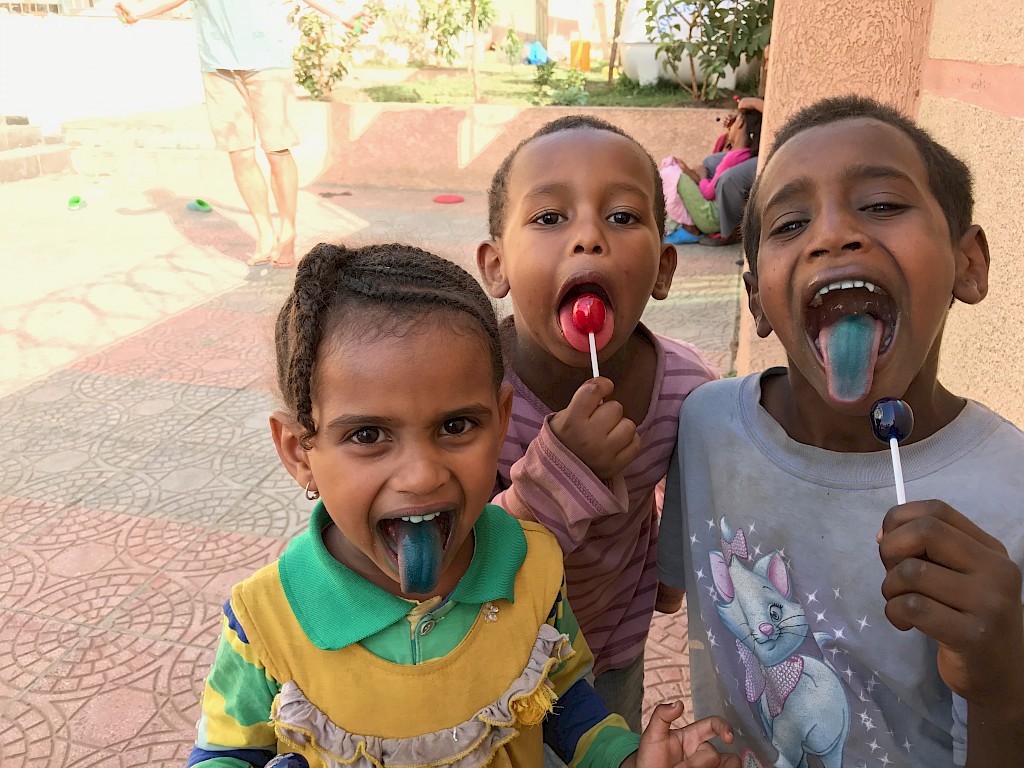
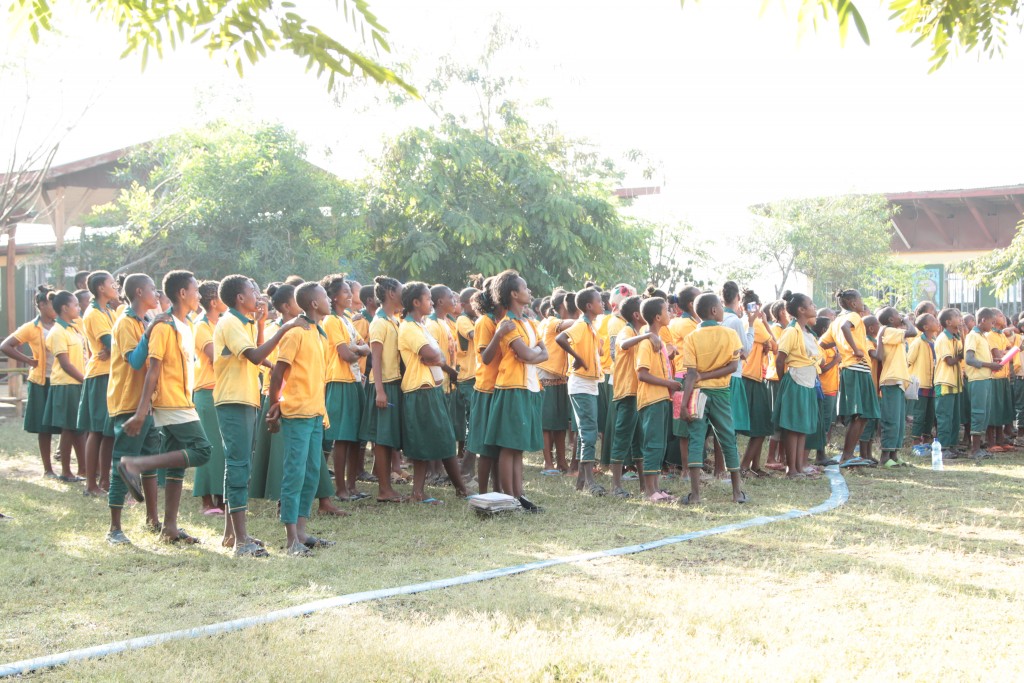
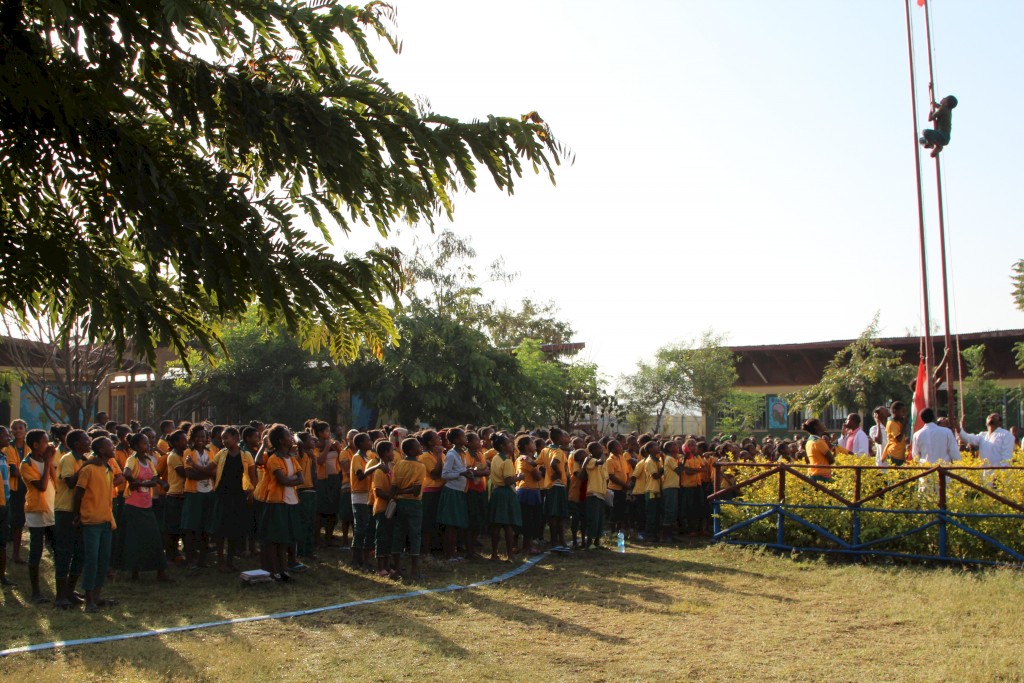
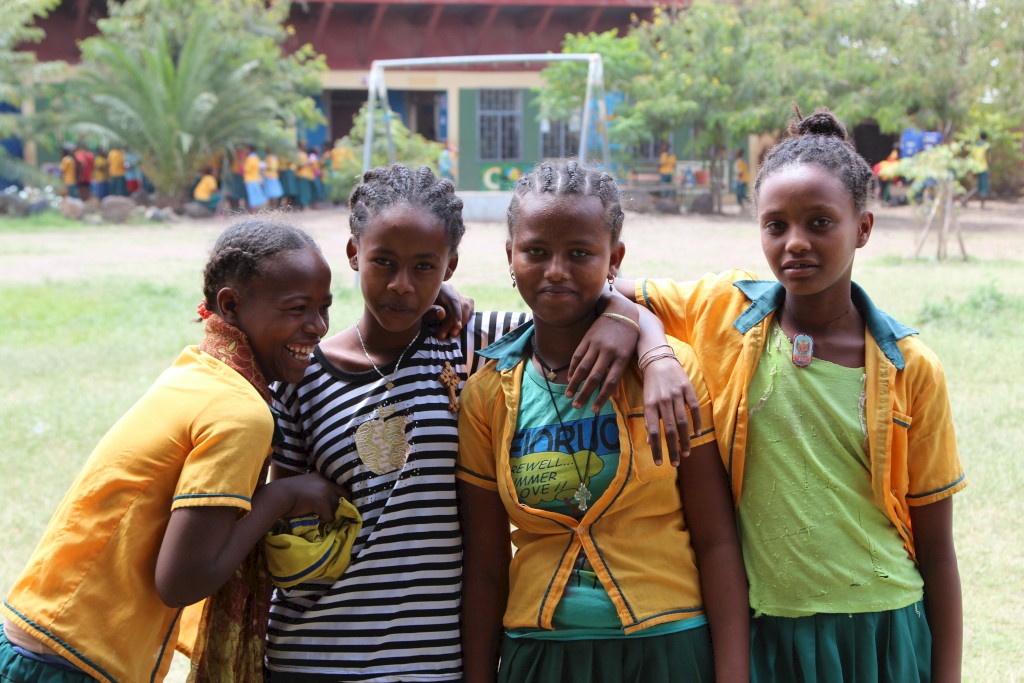
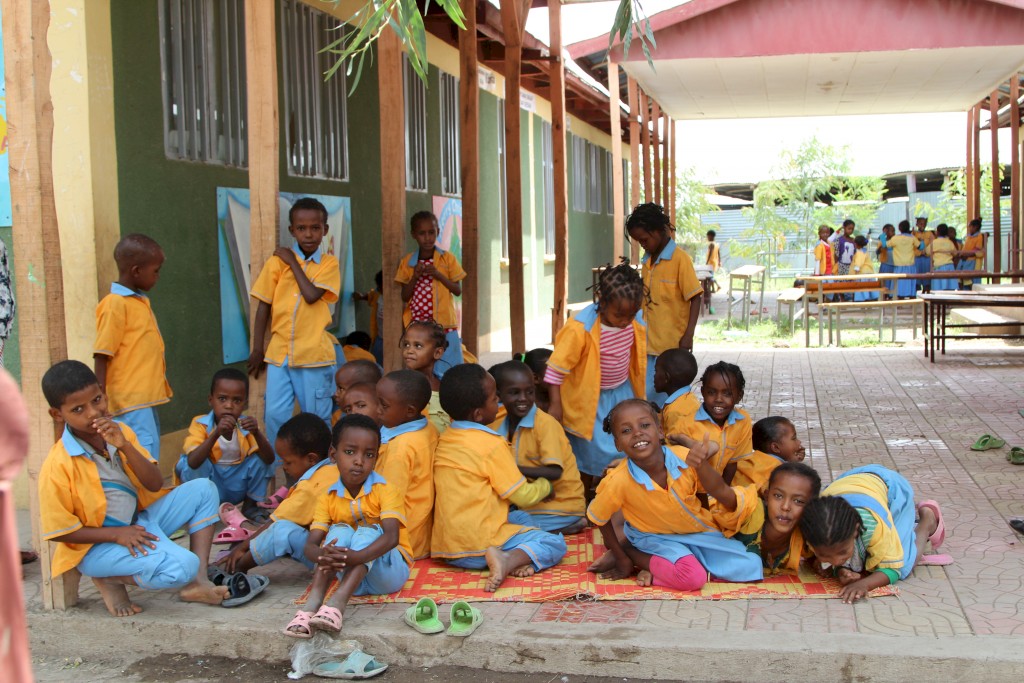
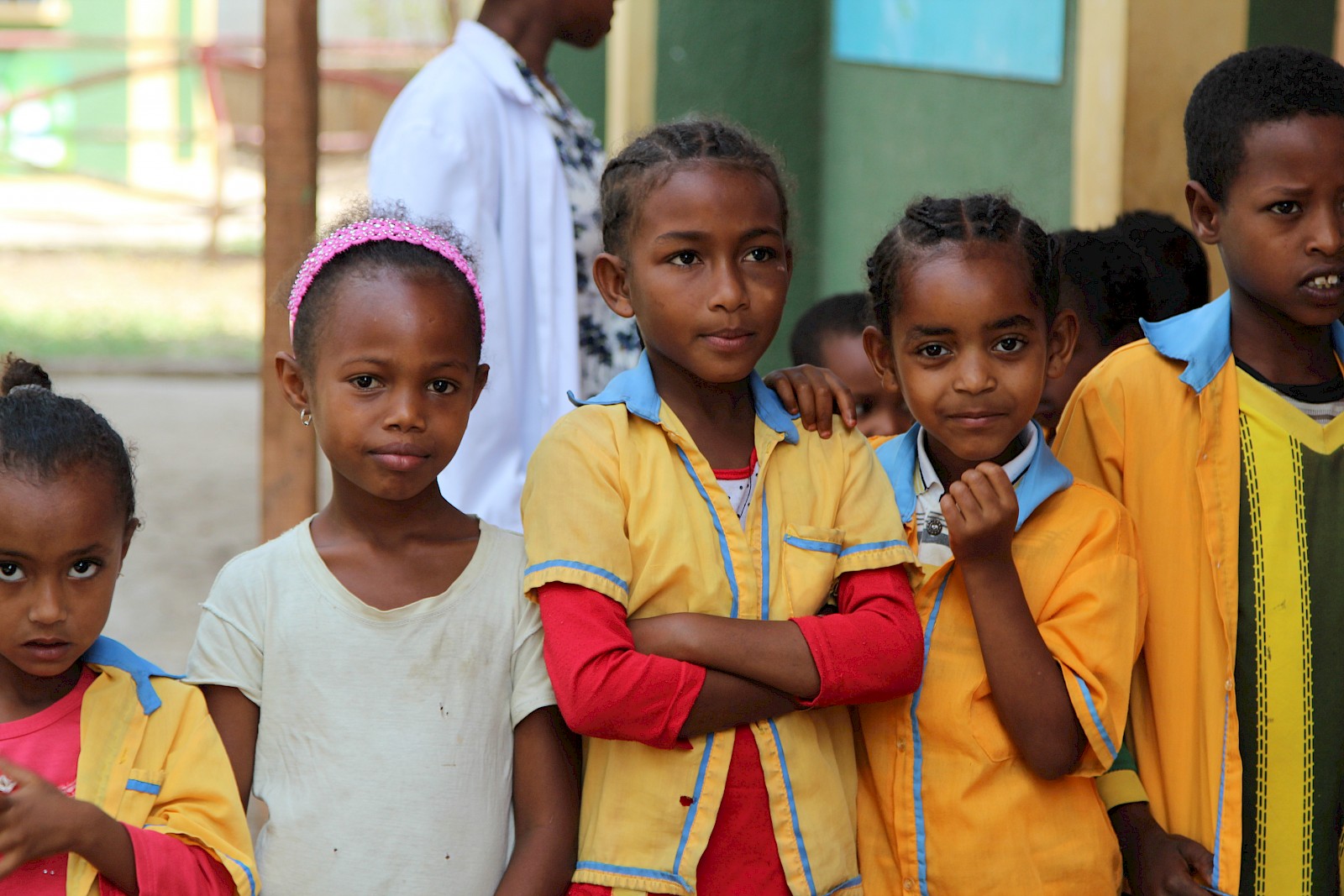
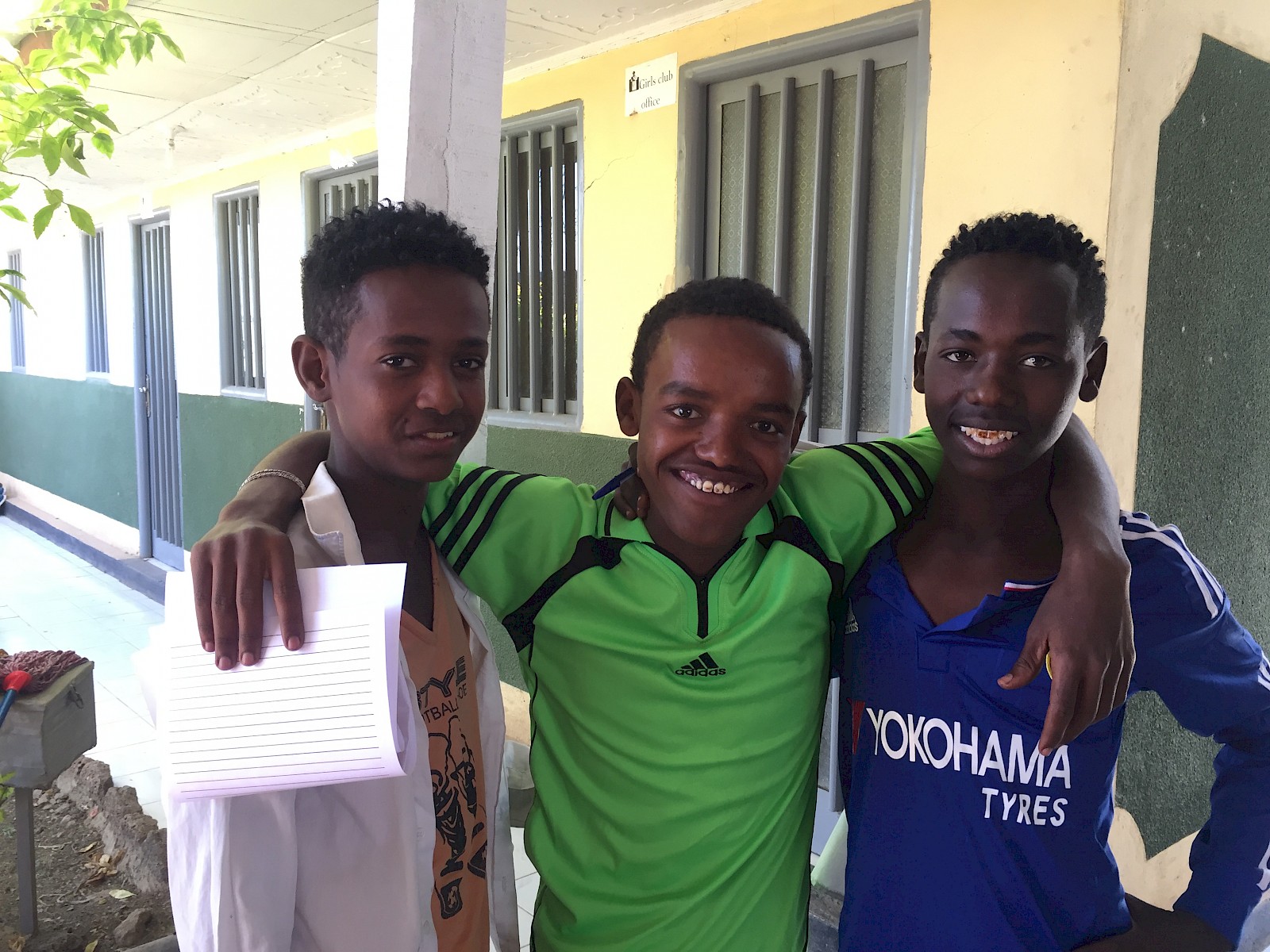
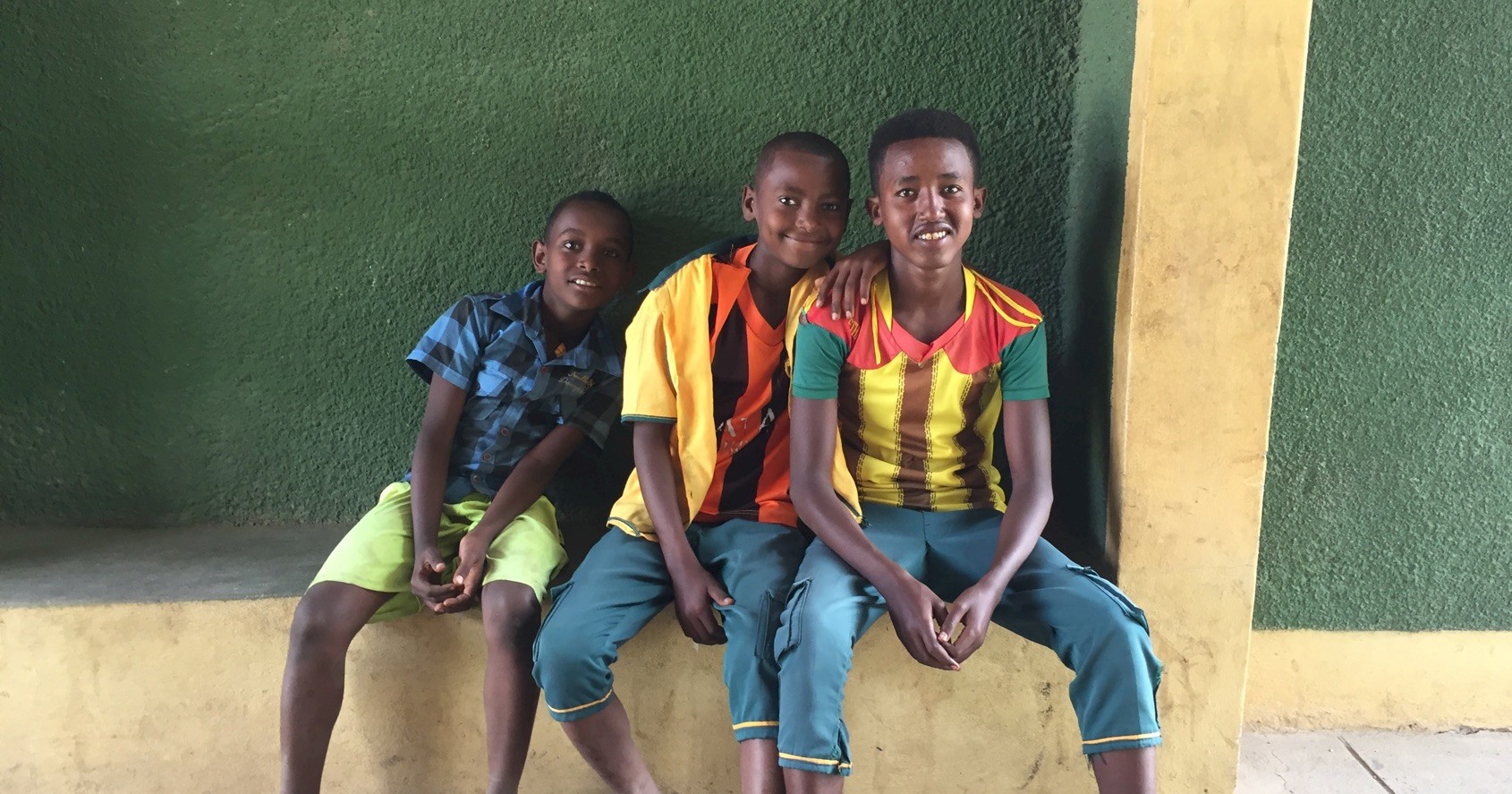
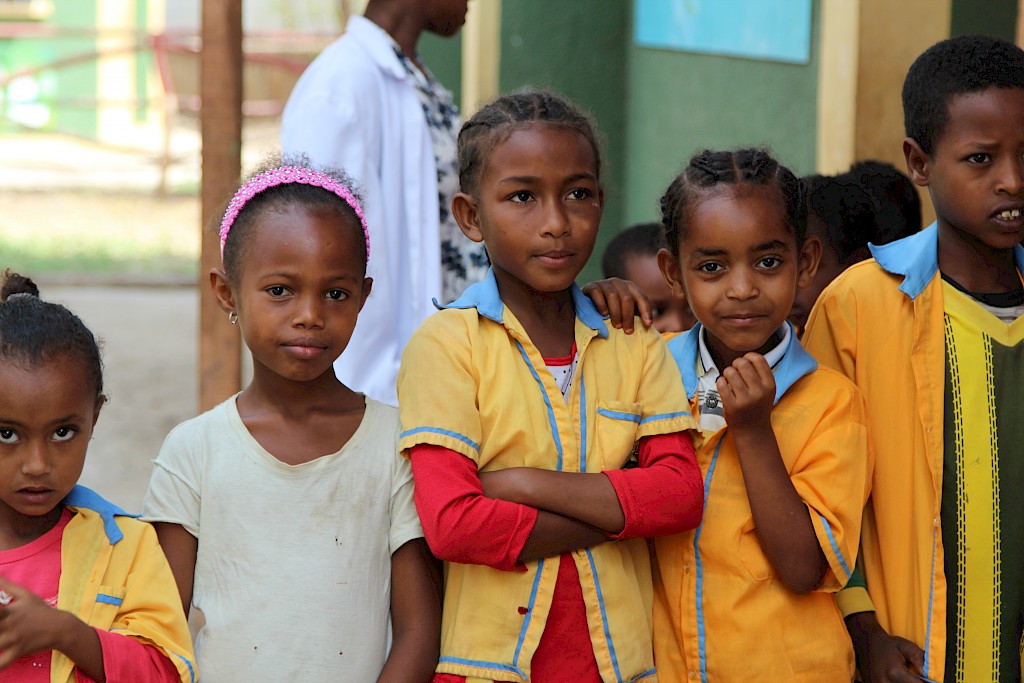
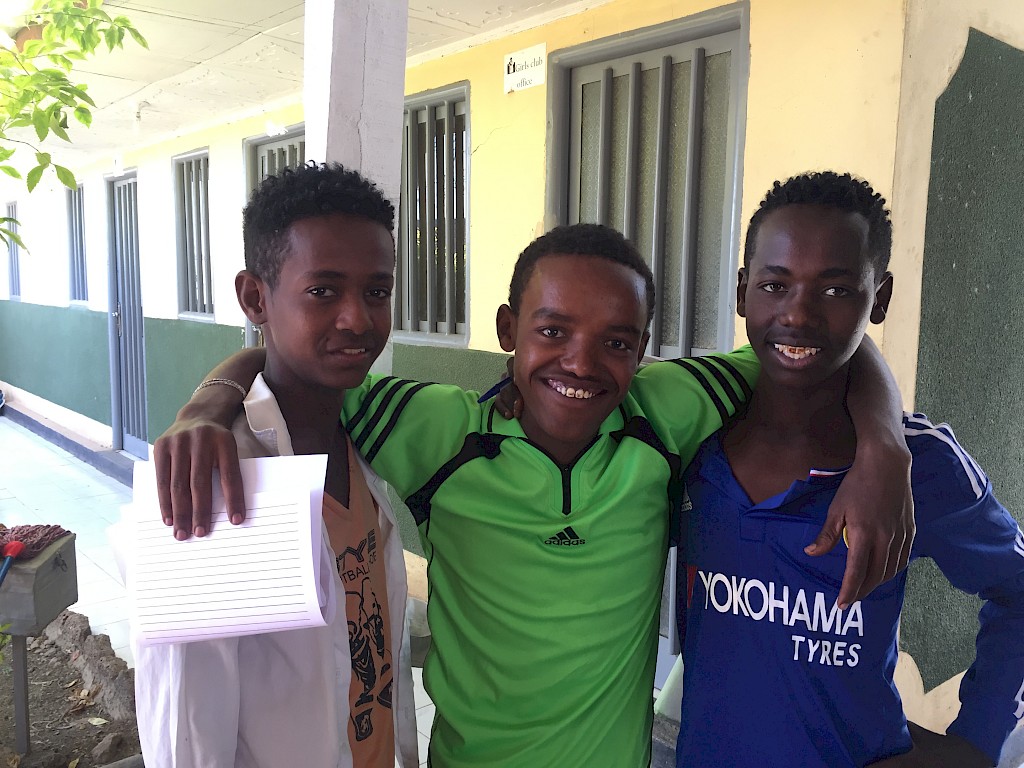
‘Berhan’ – ‘Be a light’ is the motto of the school in Ethiopia. The school, with its Christian staff in this rural, remote and difficult-to-reach area of Ethiopia, is a light for the children, who are given hope for the future through an excellent education.

In order to make schooling in Ethiopia possible (especially for the pupils in Monopol), we need a reliable cooperation partner, which we have found in Nobel Action. As the sponsor of the Berhan School, they are accountable to the Ethiopian authorities and the 1Euro International association.
External content

This site wishes to display information from sites located in the USA. According to the GDPR, the user must consent to this.

Impressions

Monopol – Ethiopia

The village of Monopol is located in the district of Nuraera, about 180 km east of Addis Ababa. The people of Monopol live in straw huts and mud houses. Most of them earn their living as farm workers on orange and cotton plantations. However, many of the workers are only employed as day labourers with a daily wage of a few birr. Their needs for food, clothing and other items are met at the market. The currency in Ethiopia is the birr (56 BRR = 1 EUR as of 03/2023), with inflation being extremely high. The wage of a day labourer in the project region is currently around 35 birr per day, and around 70 to 110 birr for skilled work.

Achieved so far

1079 schoolchildren

up to 12th grade

Godchildren

Frequently asked questions (FAQ)

How do families live in Monopol?

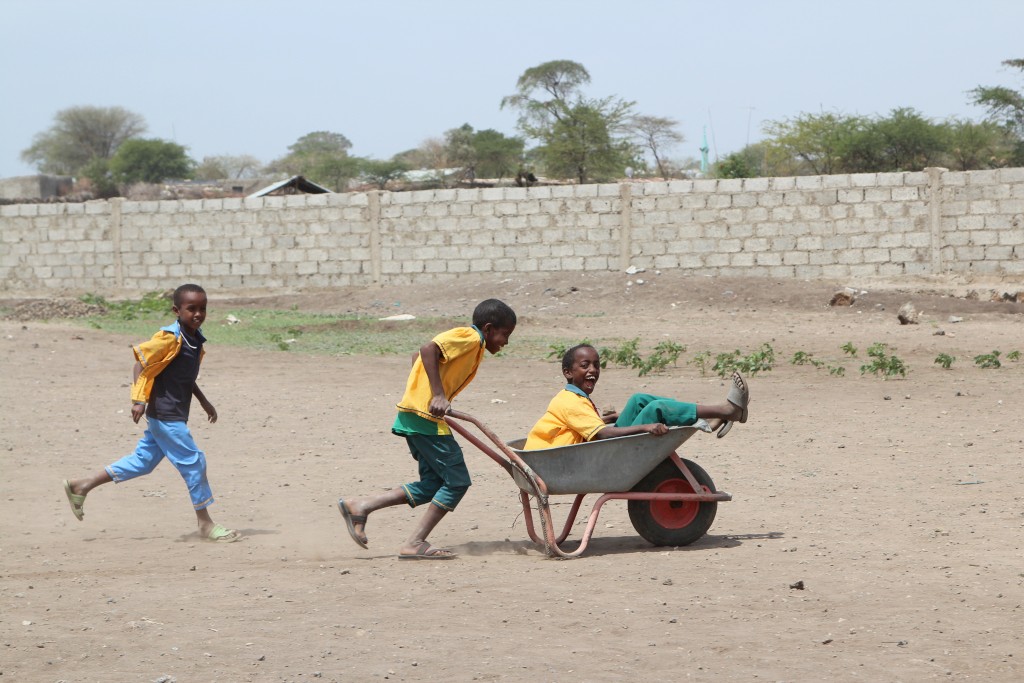
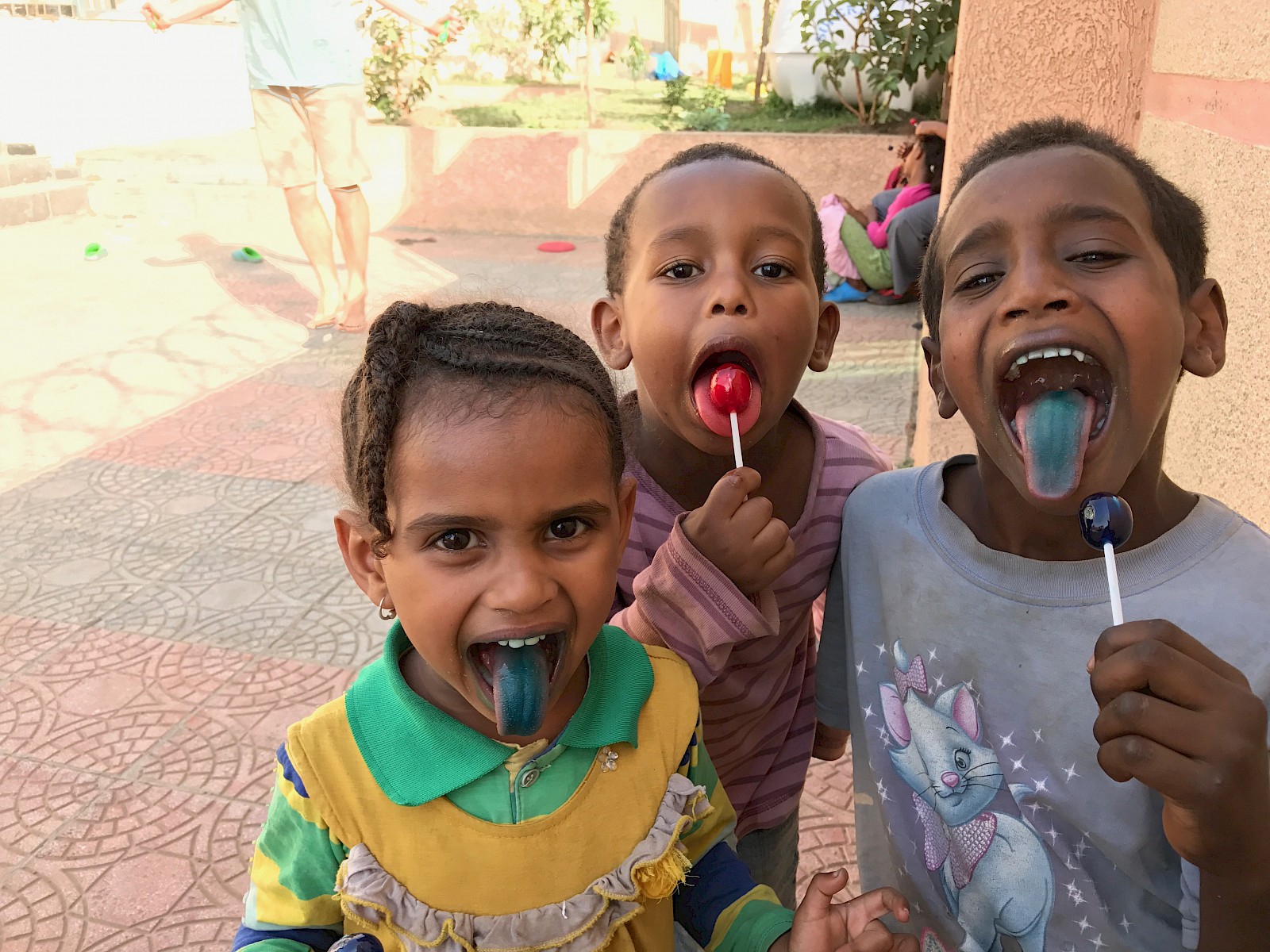
A family in the village has an average of 4 to 6 children. The family structure is similar to ours, so a family usually consists of a father, mother, and children. Normally, the father works on the plantation during the day, while the mother takes care of the household. The children's job is to help with the housework. While the younger children are happy to play with water, sand, and soil, the older children like to play soccer with balls made from sewn-together clothes. There is no big difference between boys and girls.

How do families provide for themselves?

Most people in the village do not have enough to eat, with meals only served twice a day. The main foods are corn, flour, milk, and vegetables. Water is supplied from a river about 2 km away, but it is heavily polluted. The poor water quality causes many diseases. There is enough firewood for cooking in the village, but not every household is connected to the electricity grid.

What is the environment like at Monopol?

Ethiopia has only one rainy season per year (July to September). Average temperatures in Monopol during the rainy season are around 15 °C. During the dry season, which lasts for the rest of the year, temperatures rise to 28 °C and above. Climatically, this region is classified as steppe to semi-desert. The most common animals are donkeys, goats, horses, and camels. The Awash River makes it possible to grow oranges, vegetables, grains, and cotton.

What is the medical care like?

There is a clinic in Monopol, but it is only for permanent government employees. The rest of the villagers rely on God for help through prayer. There are numerous diseases in the village, e.g.:

  • Fungal diseases
  • Diarrhea due to poor water quality
  • Typhoid fever
  • Malaria

There are no specific childhood diseases. The average life expectancy is 46 years.

What religions are there?

The predominant religions are:

  • Islam
  • Orthodox Church
  • Christianity
  • Animism

Children of all religious affiliations are admitted to the school. Only devout Christians are hired as teachers. Although there are many Christians in Monopol itself, there are no teachers. Most teachers therefore come from the nearest town, Adama.